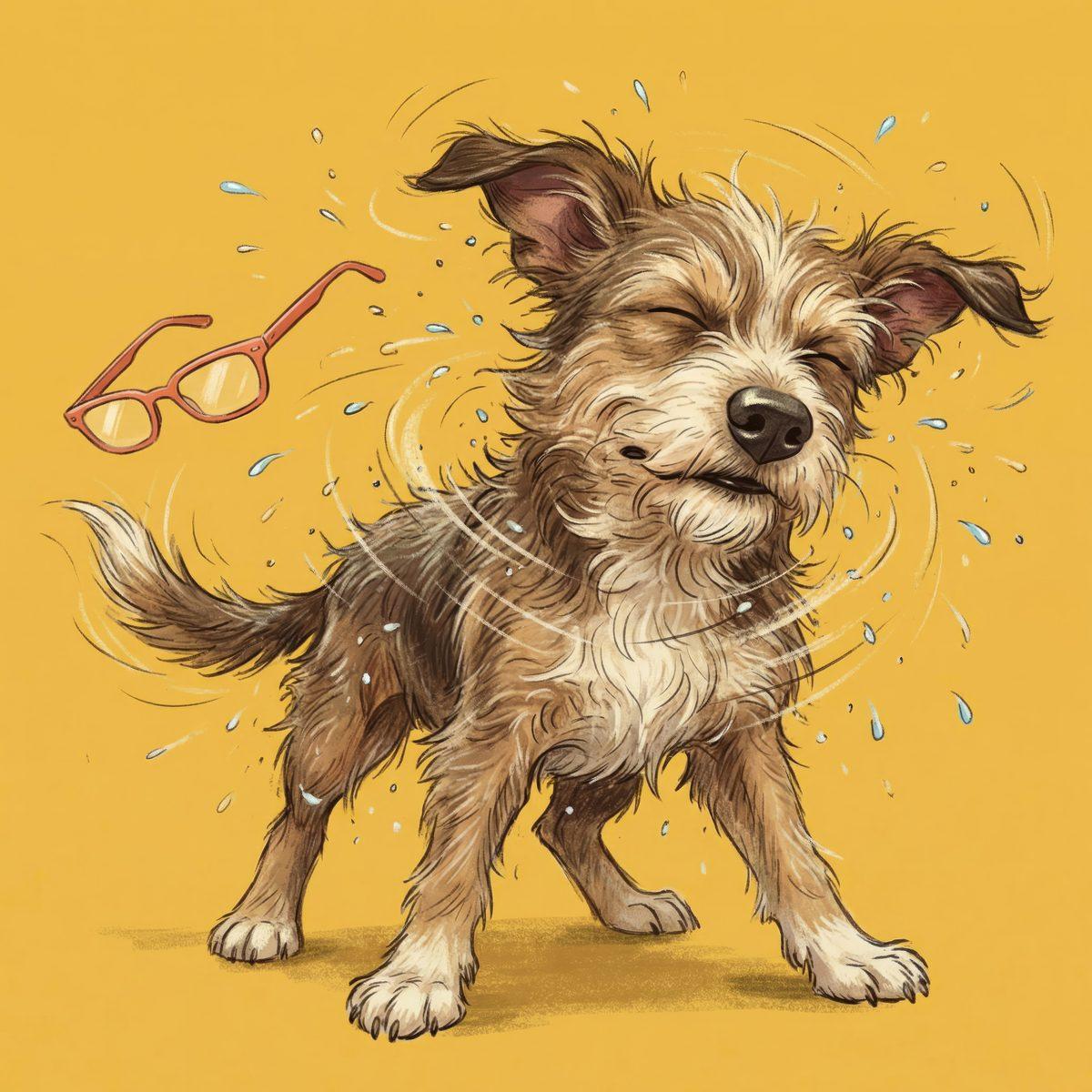
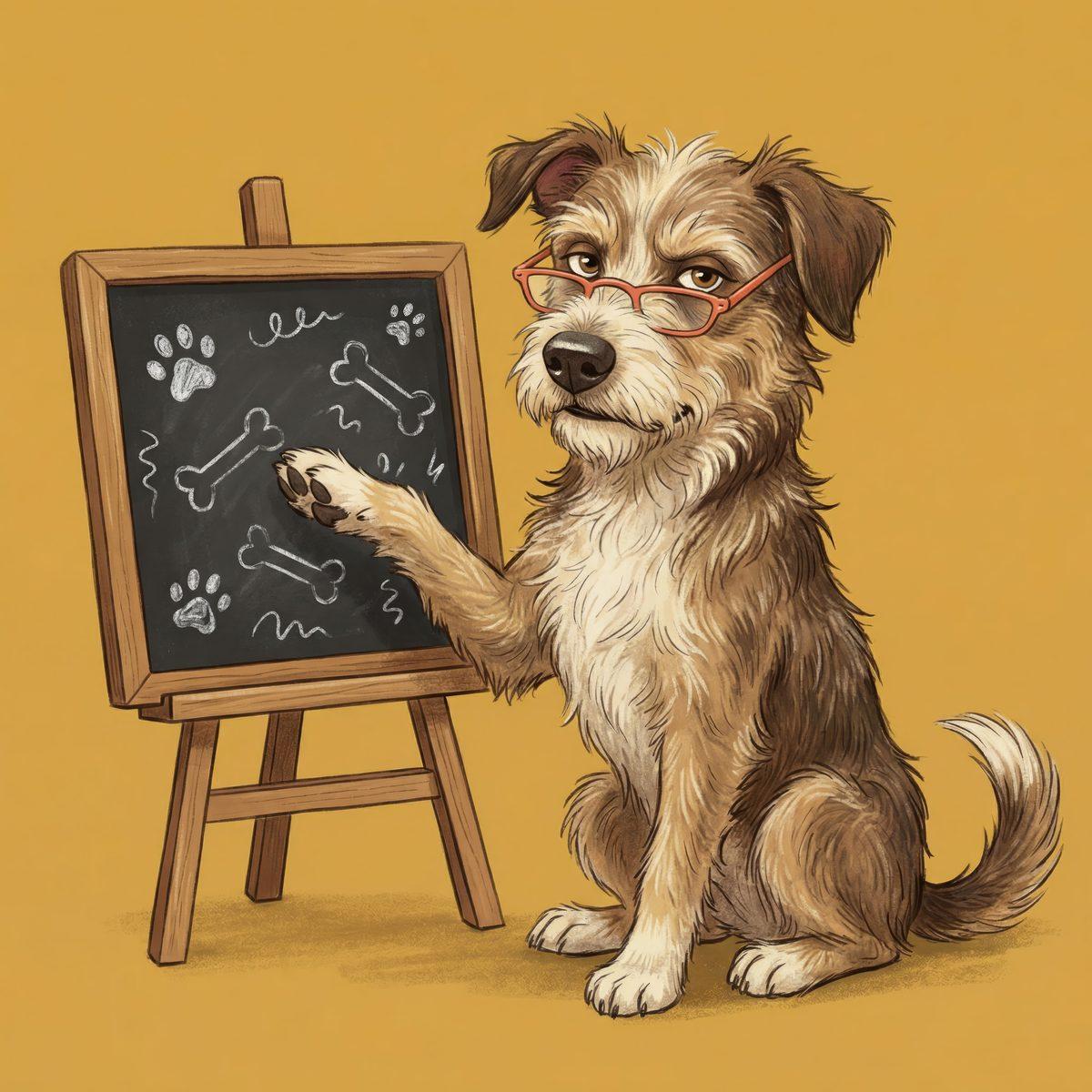
The Subtle Art of Not Giving a F*ck by Mark Manson tells you to stop caring about things that don't matter. My Dog Is Better at This Than Me by B.K. Larrikin tells you to start paying attention to what's right in front of you. Manson is tough love. Larrikin is warm humor. Both reject the toxic positivity of traditional self-help. The difference is in what they build in its place: Manson builds stoic resilience; Larrikin builds daily, dog-inspired mindfulness practice. Different medicines for the same disease.
These two books get shelved next to each other a lot, and honestly, they should. They're both allergic to motivational posters. They both think most self-help is performative nonsense. They both have a voice that makes you think, “Finally, someone who isn't pretending they have it figured out.” But if you actually read them back-to-back — which I have, because I make questionable life choices — the differences are as interesting as the similarities.
| My Dog Is Better at This Than Me | The Subtle Art of Not Giving a F*ck | |
|---|---|---|
| Author | B.K. Larrikin | Mark Manson |
| Year | 2026 | 2016 |
| Tone | Warm, observational, self-deprecating | Confrontational, irreverent, blunt |
| Core Message | Your dog already knows; stop overcomplicating it | Care about fewer things, not more |
| Approach | Watch a dog → extract the lesson → try it | Name the problem → challenge your assumptions |
| Exercises? | Yes — 10 practical, 3-minute each | No formal exercises |
| Best For | Dog lovers, warmth seekers, anti-app crowd | People tired of toxic positivity |
| Humor Style | Self-deprecating observation | Profanity as punctuation |
Should I Read My Dog Is Better at This Than Me or The Subtle Art?
Manson's argument: You have a limited number of things you can care about. Most people waste their caring on things that don't matter. Choose better values. Accept that life involves suffering. Stop trying to feel good all the time and start trying to feel the right things.
Larrikin's argument: You're so busy thinking about life that you've forgotten to actually live it. A rescue dog named Rosie does ten things naturally — presence, joy, rest, forgiveness, curiosity, gratitude, connection — that humans spend years trying to learn. Maybe stop reading the instruction manual and watch the dog.
Manson asks: What should I stop caring about? Larrikin asks: What should I start noticing? Different questions. Surprisingly complementary answers.
Tone
This is the biggest difference, and it's the reason people tend to love one and merely like the other (though which is which depends entirely on the reader).
Manson is your blunt friend at the bar who tells you the truth you don't want to hear, using language your mother wouldn't approve of. His tone is confrontational, profane, and deliberately provocative. He's trying to jolt you out of complacency. It works. It also occasionally feels like being yelled at by someone who really needs you to understand that they don't care (which, ironically, is a lot of caring about not caring).
Larrikin is your funniest friend on the couch, telling you a story about their dog that somehow turns into the most useful thing anyone has said to you all year. The tone is self-deprecating, warm, and observational. Larrikin isn't trying to shake you awake. Larrikin is trying to make you laugh until your guard drops and the insight sneaks in sideways.
“Manson hands you the truth like a brick. Larrikin hides it in a dog treat and waits for you to find it.”
Practical Application
The Subtle Art is primarily a book of ideas. It reshapes how you think about values, suffering, and what matters. But it doesn't give you many specific things to do on a Tuesday morning. The application is: think differently, and behavior will follow.
My Dog Is Better at This Than Me ends every chapter with a timed, practical exercise. The Zoomies Reset (3 minutes of unfiltered presence). The Shake-Off (physically releasing emotion). The Silent Walk (walking without earbuds). The Guilt-Free Fifteen (resting without shame). If you need a book to change what you do, not just what you think, Larrikin has more tools in the box.
Who Should Read Which
Read The Subtle Art if: you respond well to tough love, you need someone to call you on your own nonsense, you're stuck in a cycle of caring too much about things that don't deserve it, and you like your wisdom served with profanity and a side of existential philosophy.
Read My Dog Is Better at This Than Me if: you respond better to humor than confrontation, you want practical daily exercises, you're a dog person (or even dog-curious), you've tried mindfulness and found it boring, and you want to learn without feeling lectured.
Read both if: you're a human who overthinks. Which, statistically speaking, you are. They address the same problem from opposite ends and meet in the middle: stop living in your head and start living in your life.
The Subtle Art says “stop giving a f*ck about the wrong things.” My Dog Is Better at This Than Me says “start giving your full attention to the right things.” Same coin. Different sides. Both worth your time.
Curious about the warmer side of the coin? Read the first chapter free or explore the full book. And if you came here from The Subtle Art and want more books in that vein, our books like The Subtle Art post has a full reading list.
Frequently Asked Questions
How does My Dog Is Better at This Than Me compare to The Subtle Art of Not Giving a F*ck?
Both books reject toxic positivity and traditional self-help tropes, but their approaches are fundamentally different. The Subtle Art by Mark Manson uses tough love and confrontation — it tells you to stop caring about things that don't matter. My Dog Is Better at This Than Me by B.K. Larrikin uses warm humor and observation — it teaches you to start paying attention to what's right in front of you. Manson is the friend who tells you hard truths. Larrikin is the friend who makes you laugh until you accidentally learn something.
Which is better: The Subtle Art or My Dog Is Better at This Than Me?
Neither is universally “better” — they serve different reader needs. If you want to feel challenged and shaken up, The Subtle Art delivers confrontational honesty. If you want to feel seen and gently guided, My Dog Is Better at This Than Me delivers warmth, humor, and practical exercises. Manson is best for readers who respond to directness. Larrikin is best for readers who respond to humor and observation. Many readers love both because they address overthinking from complementary angles.
What should I read after The Subtle Art of Not Giving a F*ck?
If you loved The Subtle Art's irreverence, the best follow-ups are: My Dog Is Better at This Than Me by B.K. Larrikin (warmer tone, practical exercises, a rescue dog guru), Everything Is F*cked by Manson himself (the philosophical sequel), 10% Happier by Dan Harris (a skeptic's meditation journey), and Furiously Happy by Jenny Lawson (raw mental health humor).
Are there mindfulness books that aren't preachy?
Yes. The Subtle Art of Not Giving a F*ck and My Dog Is Better at This Than Me both deliver genuine mindfulness lessons without lecturing. Larrikin's book is particularly effective for mindfulness-resistant readers because it wraps every lesson in humor and dog stories — you absorb presence, gratitude, and emotional regulation without ever feeling preached at. Other non-preachy options include 10% Happier by Dan Harris and Furiously Happy by Jenny Lawson.
Want the full philosophy? Join the Pack for weekly dog wisdom and the free Cheat Sheet — all 10 life lessons on one page.
Join the Pack