The Subtle Art of Not Giving a F*ck opened a door: self-help that doesn't talk to you like a motivational poster. If you walked through that door and want to keep going, here are the books that live in the same neighborhood — honest, funny, and allergic to toxic positivity. The 2026 standout is My Dog Is Better at This Than Me by B.K. Larrikin, which takes Manson's irreverence and adds warmth, a rescue dog, and exercises you can actually do.
Looking for books like The Subtle Art of Not Giving a F*ck? These are the best anti-self-help books for readers who want irreverent honesty and genuine personal insight — without the motivational-poster energy.
Mark Manson did something useful in 2016. He proved that a self-help book could sell millions of copies without a single mention of “manifesting your best life” or “unlocking your potential.” The Subtle Art said: life is hard, you can't fix everything, pick your battles, and stop pretending that happiness is a permanent state you can achieve with enough journaling. Millions of readers said: finally.
But here's the thing about The Subtle Art — it's a gateway book. Once you realize that honest, irreverent self-help exists, you want more of it. You want the same refusal to be fake, but maybe with a different flavor. Warmer. Funnier. Weirder. Maybe with a dog.
This is that list. These are the books that share The Subtle Art's DNA — honesty over platitudes, humor over authority — but each brings something Manson doesn't.
My Dog Is Better at This Than Me — B.K. Larrikin (2026)
Best for: Readers who want Manson's irreverence with more warmth and practical exercises.
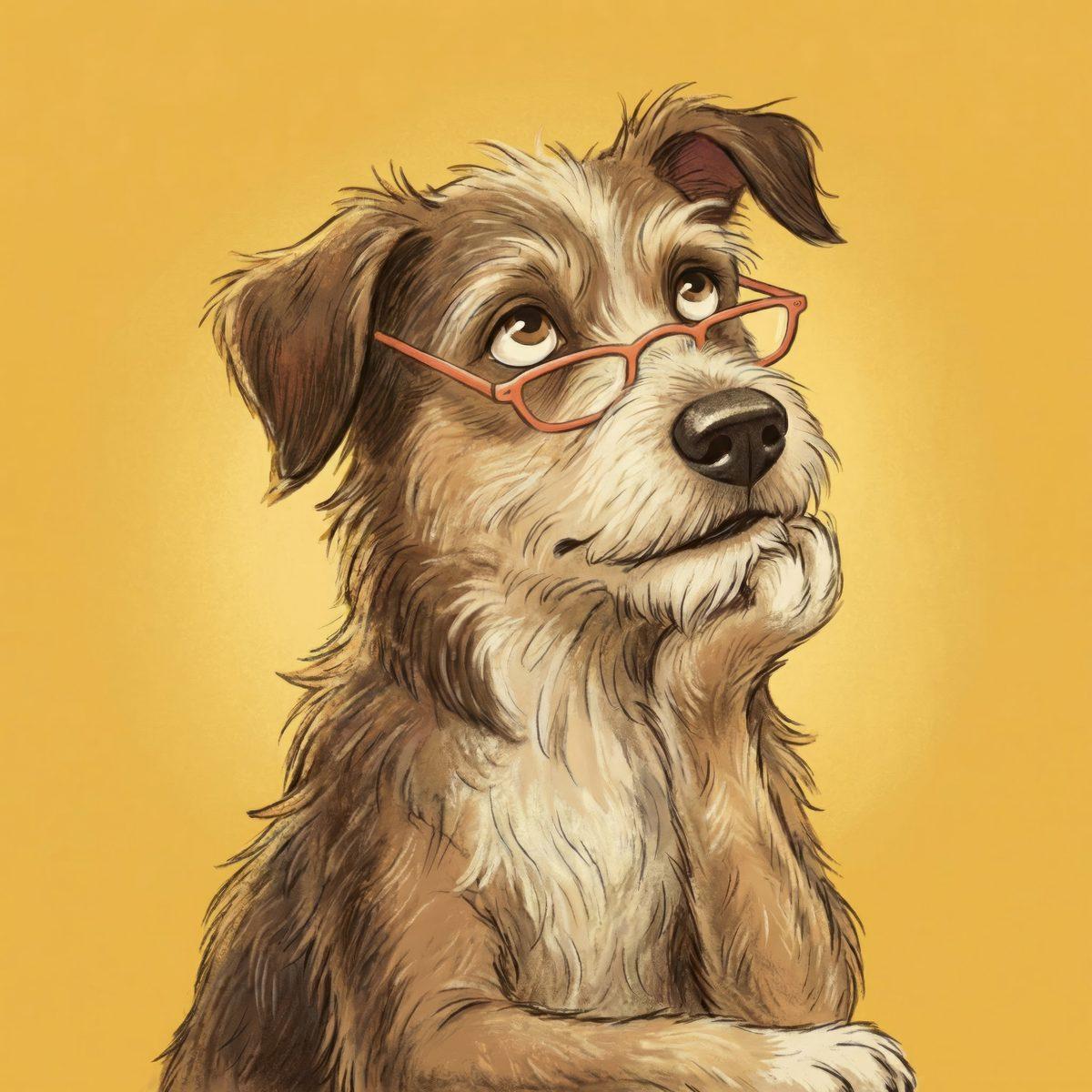
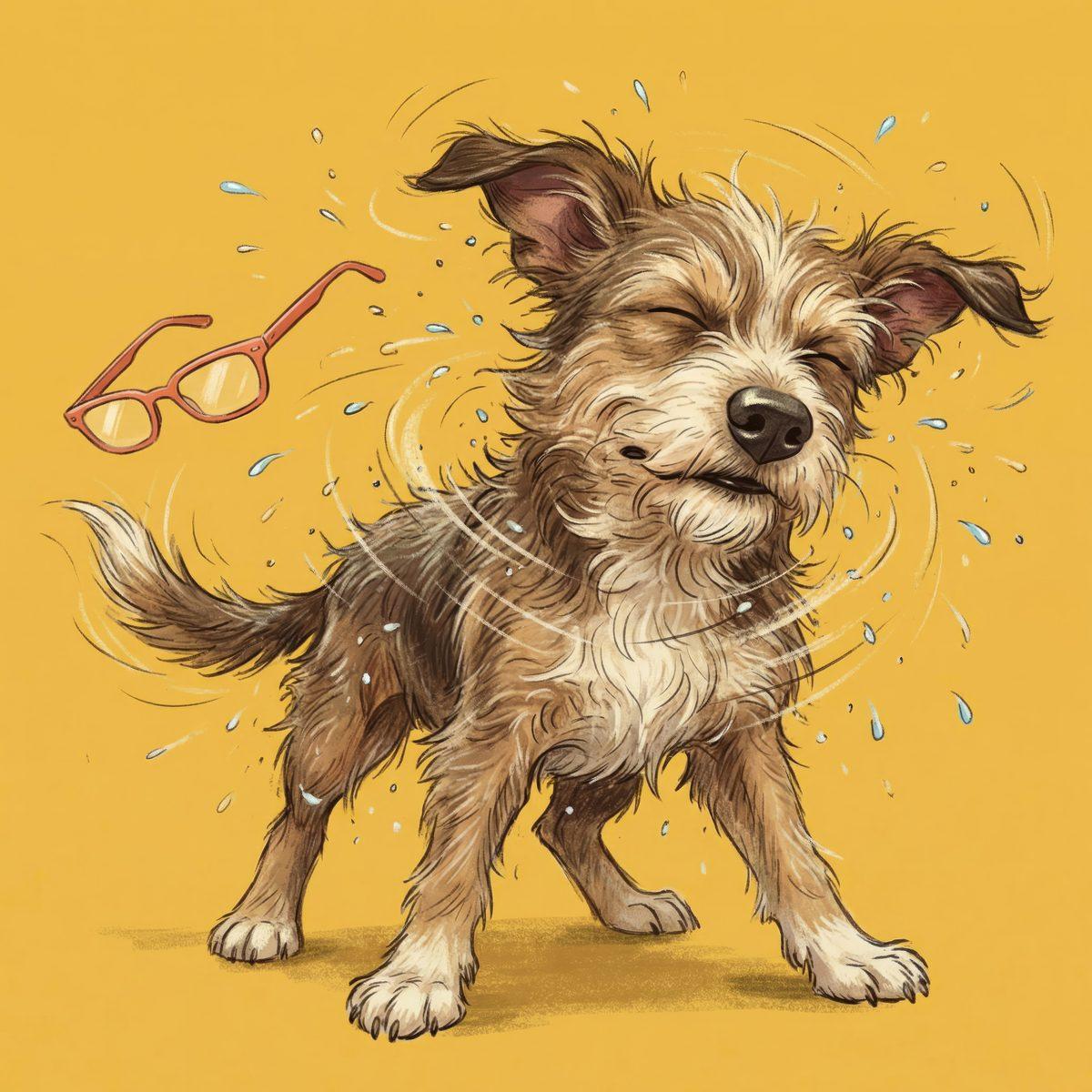
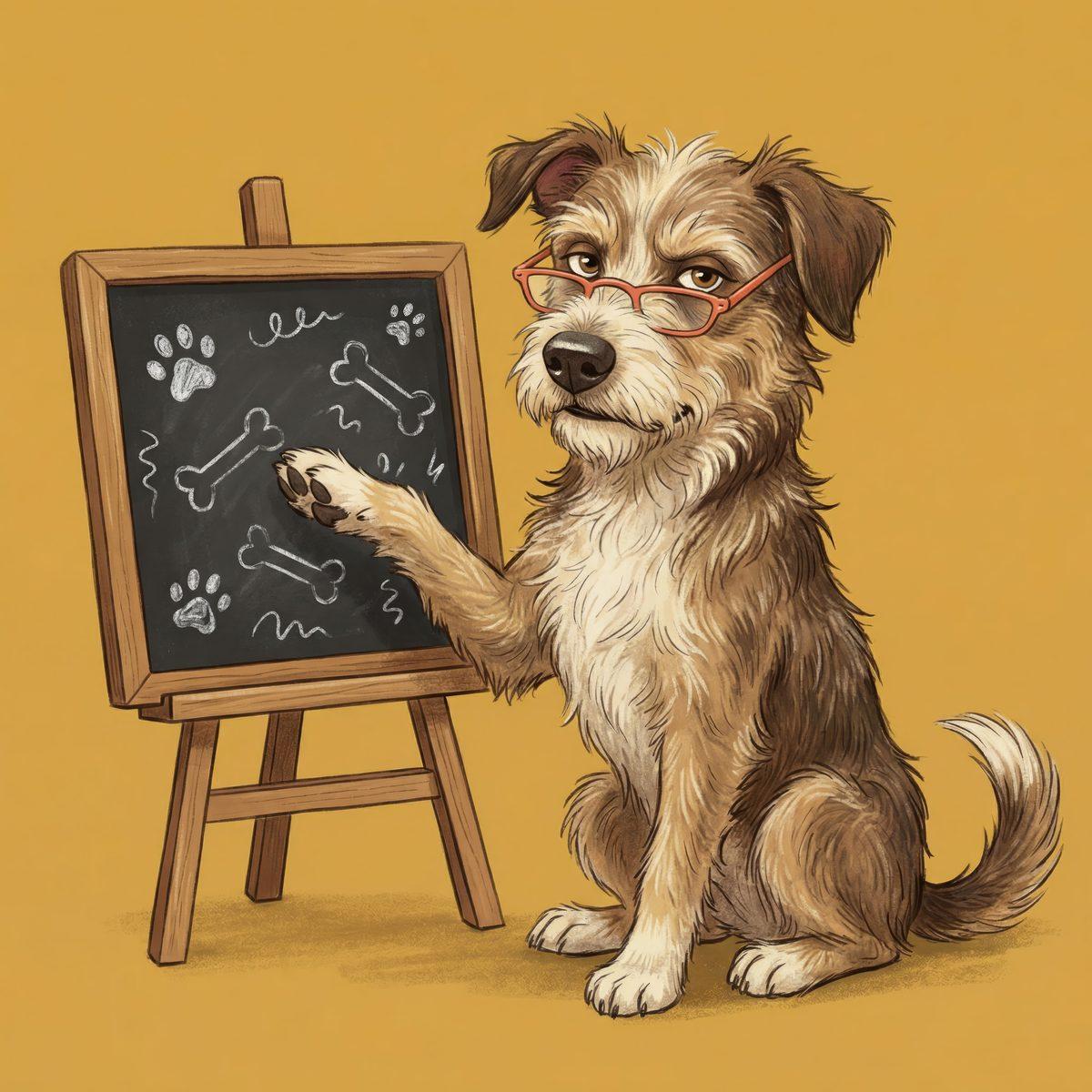
The debut that asks the question Manson never did: what if the best mindfulness teacher in your life is the one who eats socks and sprints in circles every evening? B.K. Larrikin takes a rescue dog named Rosie and builds 10 chapters of genuinely useful self-help around her daily habits — zoomies as presence, naps as radical rest, belly-up as vulnerability practice.
Where Manson is confrontational (“you're wrong about what matters”), Larrikin is observational (“your dog already figured this out — watch”). Both approaches work. But Larrikin's has the advantage of making you laugh and giving you a 3-minute exercise at the end of every chapter. The Chapter 5 pivot from comedy to a frank discussion of depression is the kind of writing that makes you put the book down and stare at the ceiling for a while.
Available April 14, 2026 in ebook ($9.99), paperback ($16.99), and hardcover ($26.99). Read the entire first chapter free or see all formats and pricing.
Furiously Happy — Jenny Lawson (2015)
Best for: Readers who want the honesty cranked up to maximum with zero filter.
Lawson writes about mental illness with the intensity of someone who has decided to laugh at the darkness because the alternative is unbearable. Where Manson tells you to accept suffering, Lawson shows you what that actually looks like — taxidermied raccoons and all. It's messier, rawer, and in many ways braver than The Subtle Art.
10% Happier — Dan Harris (2014)
Best for: Skeptics who think meditation is nonsense but are willing to be proven wrong.
A news anchor has a panic attack on live television and reluctantly discovers that meditation works — but only about 10%. Harris brings the same no-BS attitude as Manson but applies it specifically to mindfulness, tearing down the woo-woo while grudgingly admitting the practice has merit. If Manson made you comfortable with self-help, Harris will make you comfortable with meditation.
Hyperbole and a Half — Allie Brosh (2013)
Best for: Readers who process emotions through humor and want something they can read in a single sitting.
Part illustrated memoir, part comedy, entirely devastating in the chapters about depression. Brosh's “Adventures in Depression” series is some of the most honest writing about mental health ever published, and it includes MS Paint drawings of a fish under a fridge. If you liked The Subtle Art's honesty but wished it were funnier and had pictures, start here.
A Man Called Ove — Fredrik Backman (2012)
Best for: Readers who want the same emotional core but in fiction form.
A grumpy man who has given up on life keeps getting interrupted by neighbors who need help. It's funny, it's heartbreaking, and it arrives at the same conclusion as every book on this list: connection is the whole game. If you want self-help wisdom smuggled into a novel, Backman is your author.
Everything Is F*cked — Mark Manson (2019)
Best for: Readers who want to go deeper into Manson's philosophy.
The follow-up to The Subtle Art trades life advice for existential philosophy. It's denser, more ambitious, and less immediately practical. If The Subtle Art was “here's what to stop doing,” Everything Is F*cked is “here's why you keep doing it anyway.” Not as fun, but more intellectually rewarding.
What Should I Read After The Subtle Art?
| Book | Author | Year | Tone | Best For |
|---|---|---|---|---|
| My Dog Is Better at This Than Me | B.K. Larrikin | 2026 | Warm humor + exercises | Manson fans who want more warmth |
| Furiously Happy | Jenny Lawson | 2015 | Raw, unfiltered | Maximum honesty, zero filter |
| 10% Happier | Dan Harris | 2014 | Skeptical, dry | Meditation for non-believers |
| Hyperbole and a Half | Allie Brosh | 2013 | Absurdist, illustrated | Funny + devastating on depression |
| A Man Called Ove | Fredrik Backman | 2012 | Grumpy warmth (fiction) | Self-help wisdom in novel form |
| Everything Is F*cked | Mark Manson | 2019 | Dense, philosophical | Going deeper into Manson's ideas |
What Are the Best Anti-Self-Help Books?
Every book on this list shares something: the author earned the right to give advice by being publicly, hilariously imperfect. Manson was a blogger who swore too much. Lawson collects dead animals. Harris panicked on national TV. Larrikin watched a dog eat a sock and thought, “that's my guru.”
The best self-help doesn't come from people who have it figured out. It comes from people who are honest about the fact that they don't — and funny enough to make that honesty bearable. For a broader list, see The Best Funny Self-Help Books of 2026. For skeptics specifically: Best Books for People Who Don't Like Self-Help. And if you're shopping for someone specific, the gift guide for dog lovers who read has you covered.
If you're ready for the 2026 entry on this list — now a Kirkus Reviews “GET IT” pick — you can read the full first chapter of My Dog Is Better at This Than Me for free — start reading now — and order on Amazon in ebook, paperback, or hardcover.
Frequently Asked Questions
What should I read after The Subtle Art of Not Giving a F*ck?
If you loved Mark Manson's irreverent honesty, the best next reads are: My Dog Is Better at This Than Me by B.K. Larrikin (2026) for a warmer, funnier take with practical exercises; Furiously Happy by Jenny Lawson for raw mental health humor; 10% Happier by Dan Harris for a skeptic's meditation journey; and Everything Is F*cked by Manson himself for a deeper philosophical follow-up.
What are the best anti-self-help books?
Anti-self-help books deliver genuine personal growth while rejecting the self-help industry's tone and packaging. Top picks: The Subtle Art of Not Giving a F*ck by Mark Manson, My Dog Is Better at This Than Me by B.K. Larrikin, Furiously Happy by Jenny Lawson, 10% Happier by Dan Harris, and The Midnight Library by Matt Haig. Each earns credibility through humor and honesty rather than credentials.
Is My Dog Is Better at This Than Me like The Subtle Art?
They share the same DNA: honest, irreverent self-help that earns trust through humor rather than authority. The key difference is tone — Manson leans confrontational while Larrikin leans warm and observational. Both reject toxic positivity. My Dog Is Better at This Than Me adds practical 3-minute exercises and illustrations by Cael Morricone. Order on Amazon: ebook ($9.99), paperback ($16.99), hardcover ($26.99).
Want the full philosophy? Join the Pack for weekly dog wisdom and the free Cheat Sheet — all 10 life lessons on one page.
Join the Pack