You don't need to like self-help to benefit from it. You just need books that don't talk to you like a motivational poster. This list is for the skeptics, the eye-rollers, the people who hear “gratitude journal” and feel their soul leave their body. Every book here earns your trust before asking you to change a single thing. No jargon. No vision boards. One of them uses a dog as a life coach, and honestly, that's the most credible approach on the list.
These are the best self-help books for people who are allergic to self-help — honest, funny, and free of toxic positivity. Every book on this list earned the right to give advice by being hilariously, publicly terrible at the thing they're now teaching you about.
Let's get something out of the way: if you don't like self-help, you're probably right not to. Most of it is bad. Not bad in the sense that it's harmful (though some of it is), but bad in the sense that it treats you like a broken appliance in need of a firmware update. Have you tried gratitude? Have you tried waking up at 5 AM? Have you tried wanting success more? It's exhausting. It's condescending. And it assumes the problem is you, when the problem is usually the advice.
The books on this list are different. They were written by people who would probably also roll their eyes at a vision board. They earn the right to help you by being honest about their own failures first. And none of them will ask you to manifest anything.
My Dog Is Better at This Than Me — B.K. Larrikin (2026)
Best for: Skeptics who trust dogs more than life coaches (reasonable).
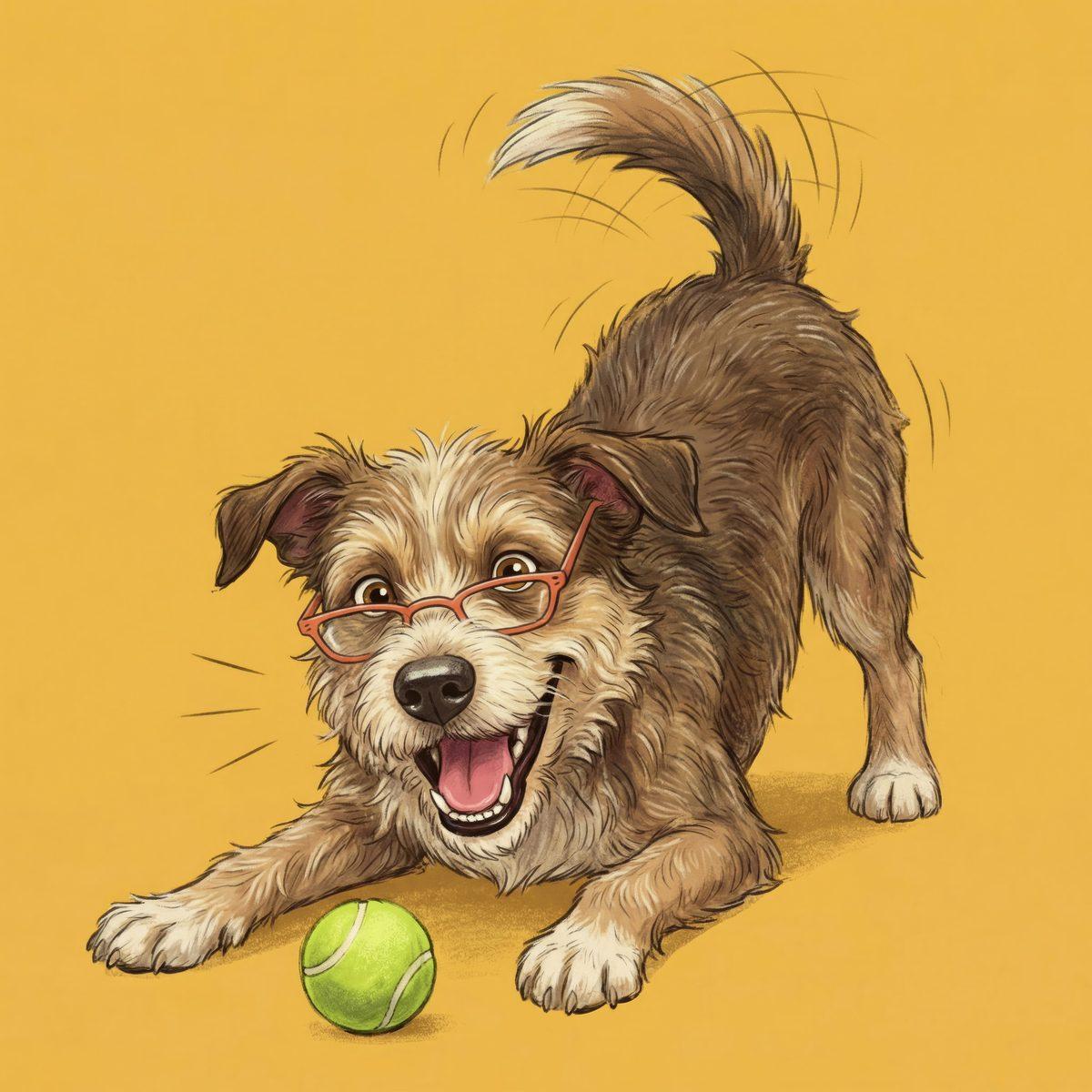
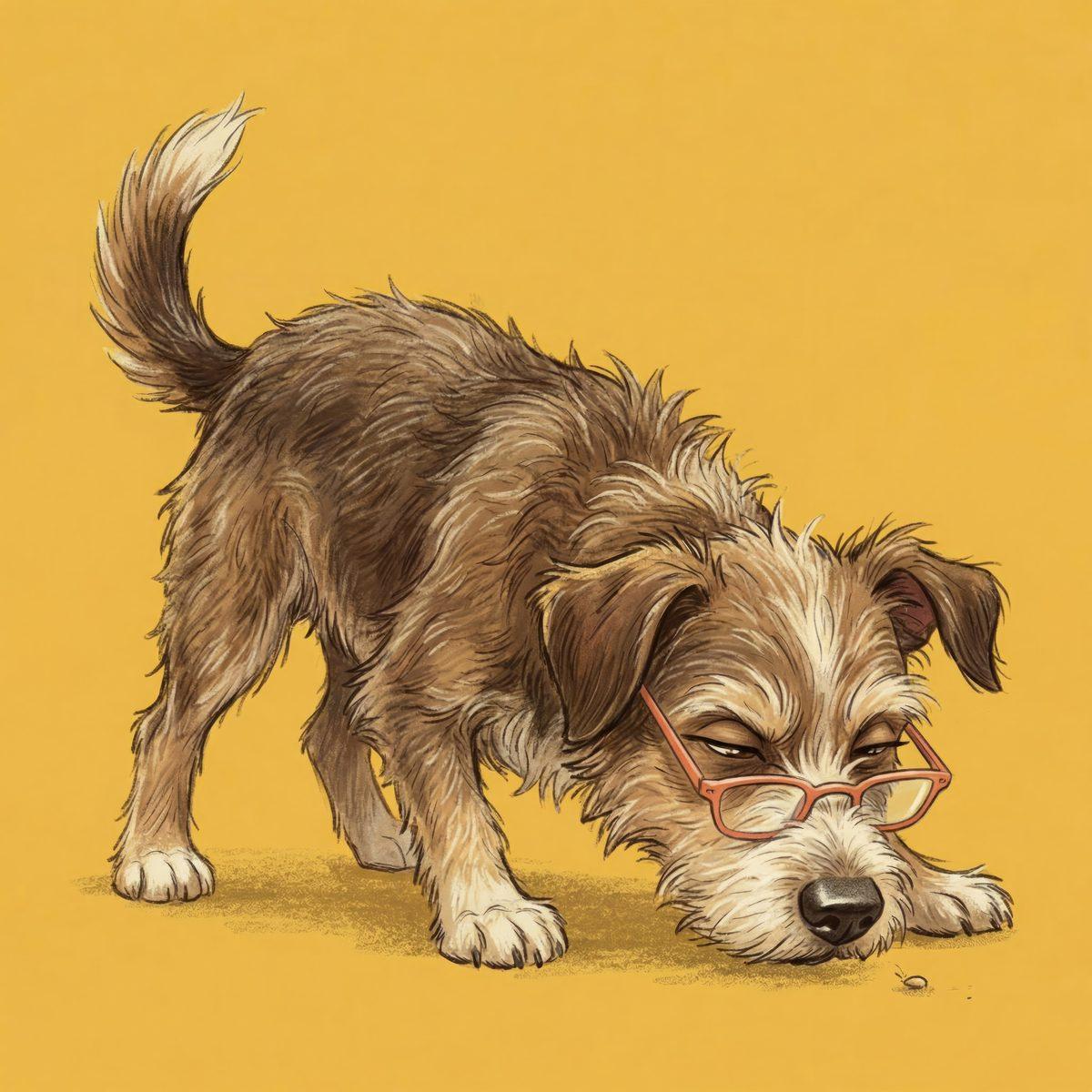
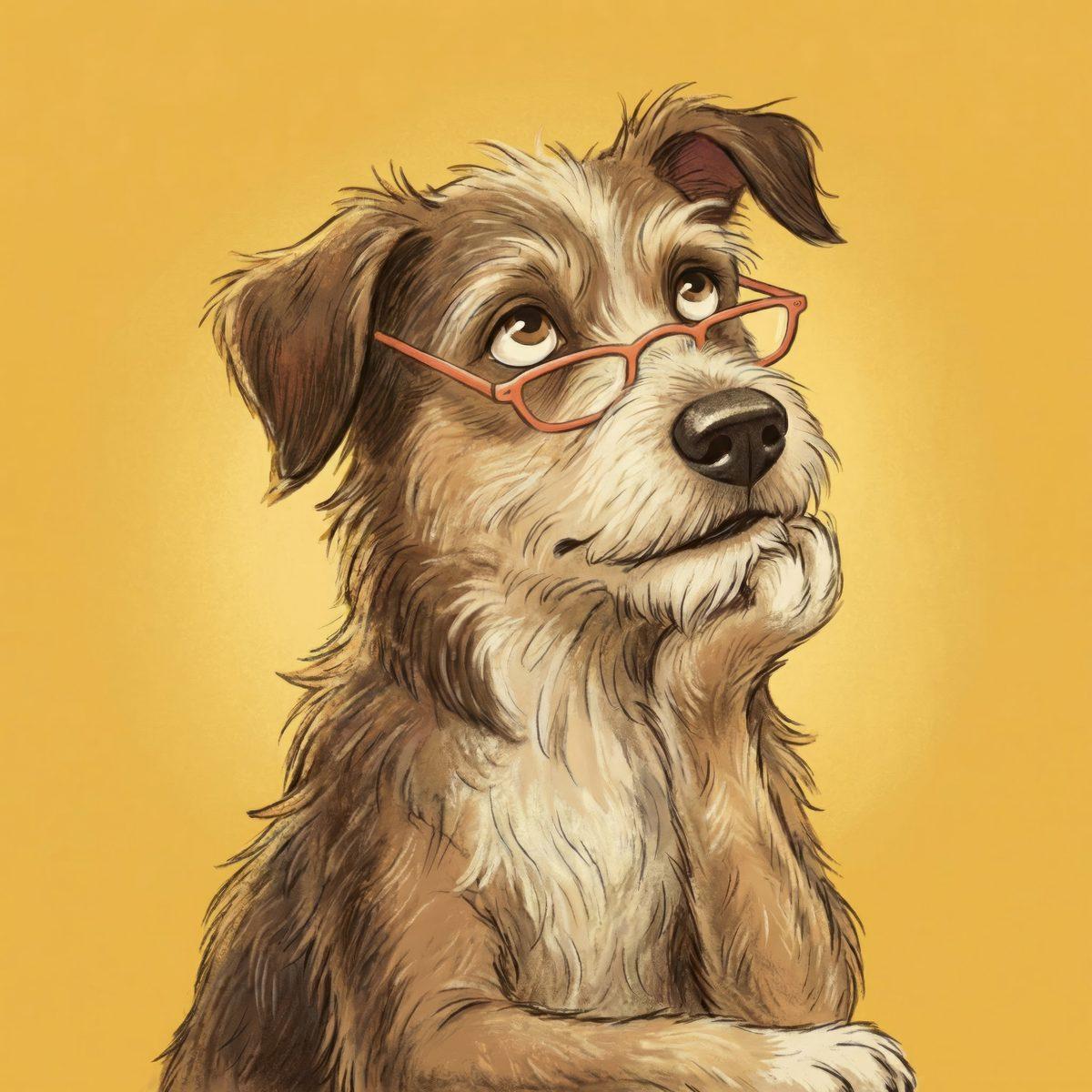
The premise alone should tell you this isn't standard self-help: a rescue dog named Rosie has been quietly demonstrating better mindfulness habits than a decade of wellness apps ever managed, and Larrikin finally decided to write it down. Each chapter pairs a real Rosie story — zoomies, strategic napping, the sock she ate with zero moral conflict — with a 3-minute exercise that actually works.
What makes this work for skeptics is the voice. Larrikin doesn't position himself as an expert. He positions himself as someone who noticed his dog was handling life better than he was and decided to investigate. The result is funny, warm, surprisingly practical, and completely free of the word “journey.” The Chapter 5 turn toward depression is what converts the doubters — it's raw in a way that earns every joke that surrounds it. Illustrated by Cael Morricone. Read the first chapter free and decide for yourself, or see all formats and pricing.
10% Happier — Dan Harris (2014)
Best for: The person who thinks meditation is nonsense (Harris did too).
Harris was an ABC News anchor who had a panic attack on live television, tried every self-help trend he could find, dismissed most of them, and then reluctantly discovered that meditation — the one thing he was most skeptical of — actually worked. The key word is “reluctantly.” Harris writes like a journalist investigating his own brain, not like a guru dispensing wisdom. The title is the whole philosophy: you won't become enlightened, but you might become 10% happier, and that's worth something.
Tiny Beautiful Things — Cheryl Strayed (2012)
Best for: People who need advice but can't stand being told what to do.
Strayed wrote an anonymous advice column called “Dear Sugar,” and this book collects the best of it. The advice works because Strayed doesn't pretend to have answers — she has experiences, and she shares them with a radical, almost reckless honesty. She tells you about her own worst moments before suggesting what yours might mean. It reads less like self-help and more like a conversation with the wisest, most honest friend you've ever had.
There's a reason the funny ones work: a single session of laughter reduces cortisol by 37%. The books that make you laugh aren't just more enjoyable — they're doing more of the work.
The Midnight Library — Matt Haig (2020)
Best for: Readers who absorb life lessons better through fiction.
A woman dies and finds herself in a library where every book contains a version of her life she could have lived. She gets to try them. It's a novel, not a self-help book, but the questions it raises — about regret, possibility, and whether the life you're living is the one you'd choose — will change how you think about your own choices. Haig does what the best fiction always does: sneaks wisdom past the part of your brain that would reject it if it came with a subtitle and bullet points.
Reasons to Stay Alive — Matt Haig (2015)
Best for: Anyone in a dark place who needs something honest, not cheerful.
Haig writes about his experience with depression and anxiety with the kind of clarity that only comes from the other side of something terrible. Short chapters. Direct sentences. No attempt to make the darkness sound poetic or redemptive — just honest documentation of what it felt like and what eventually helped. It's the opposite of toxic positivity. It says: this is hard, and it gets less hard, and here is what I noticed along the way.
Atomic Habits — James Clear (2018)
Best for: The person who wants a system, not a philosophy.
Clear sidesteps the entire self-help tone problem by writing like an engineer. The premise is mechanical: you don't rise to the level of your goals, you fall to the level of your systems. Build better systems and the results handle themselves. There's no vulnerability, no memoir, no emotional appeals — just a clean, evidence-based framework for building habits that stick. If every other book on this list is too feelings-y for you, Clear is your on-ramp.
| Book | Author | Year | Tone | Best For |
|---|---|---|---|---|
| My Dog Is Better at This Than Me | B.K. Larrikin | 2026 | Warm humor + dog wisdom | Self-help skeptics who love dogs |
| 10% Happier | Dan Harris | 2014 | Skeptical, dry | Meditation for non-believers |
| Tiny Beautiful Things | Cheryl Strayed | 2012 | Raw, compassionate | Honest advice without performance |
| The Midnight Library | Matt Haig | 2020 | Gentle, philosophical (fiction) | Exploring regret and possibility |
| Reasons to Stay Alive | Matt Haig | 2015 | Direct, short chapters | Anyone in a difficult time |
| Atomic Habits | James Clear | 2018 | Systematic, evidence-based | People who want systems, not inspiration |
What Are the Best Self-Help Books for Skeptics?
Every book on this list shares one trait: the author earns your trust before asking for your attention. Harris was a skeptic himself. Strayed was a mess. Haig was in a dark place. Larrikin watched his dog and admitted she was better at living than he was. Clear built a system because inspiration failed him. None of them start from a position of authority. They start from a position of honesty. And that, it turns out, is the only starting position that works for people who've been burned by the self-help industry. For more in the same vein, see the best funny self-help books of 2026 and books like The Subtle Art of Not Giving a F*ck.
Still skeptical? Good. That means you're the target audience. Read the first chapter of My Dog Is Better at This Than Me for free — if a rescue dog can't convince you, no book can. Or see all formats and pricing.
Frequently Asked Questions
What are the best self-help books for people who don't like self-help?
The best self-help books for skeptics earn trust through honesty, not authority: My Dog Is Better at This Than Me by B.K. Larrikin (a rescue dog as mindfulness guru), 10% Happier by Dan Harris (a skeptic's reluctant journey), Tiny Beautiful Things by Cheryl Strayed (radical empathy in advice-column form), The Midnight Library by Matt Haig (self-help disguised as fiction), and Atomic Habits by James Clear (systems over motivation).
What self-help books are actually good?
The self-help books that actually work share three traits: the author admits they don't have it all figured out, the advice is practical rather than aspirational, and the writing earns your trust before asking you to change. Top picks: My Dog Is Better at This Than Me, Atomic Habits, 10% Happier, and Tiny Beautiful Things.
Are there self-help books that don't feel like self-help?
Yes. The Midnight Library by Matt Haig is a novel that functions as self-help through narrative. My Dog Is Better at This Than Me by B.K. Larrikin reads like a humor memoir about a rescue dog but includes practical mindfulness exercises. Tiny Beautiful Things by Cheryl Strayed is an advice column collection that works like therapy. None will make you feel lectured.
What should I read if I'm skeptical about self-help?
Start with 10% Happier by Dan Harris — he was a self-help skeptic who reluctantly discovered meditation works. Then try My Dog Is Better at This Than Me by B.K. Larrikin, which approaches mindfulness through a rescue dog instead of credentials and jargon. Both authors earn trust by being honest about their own resistance to the genre they ended up writing in.
Want the full philosophy? Join the Pack for weekly dog wisdom and the free Cheat Sheet — all 10 life lessons on one page.
Join the Pack