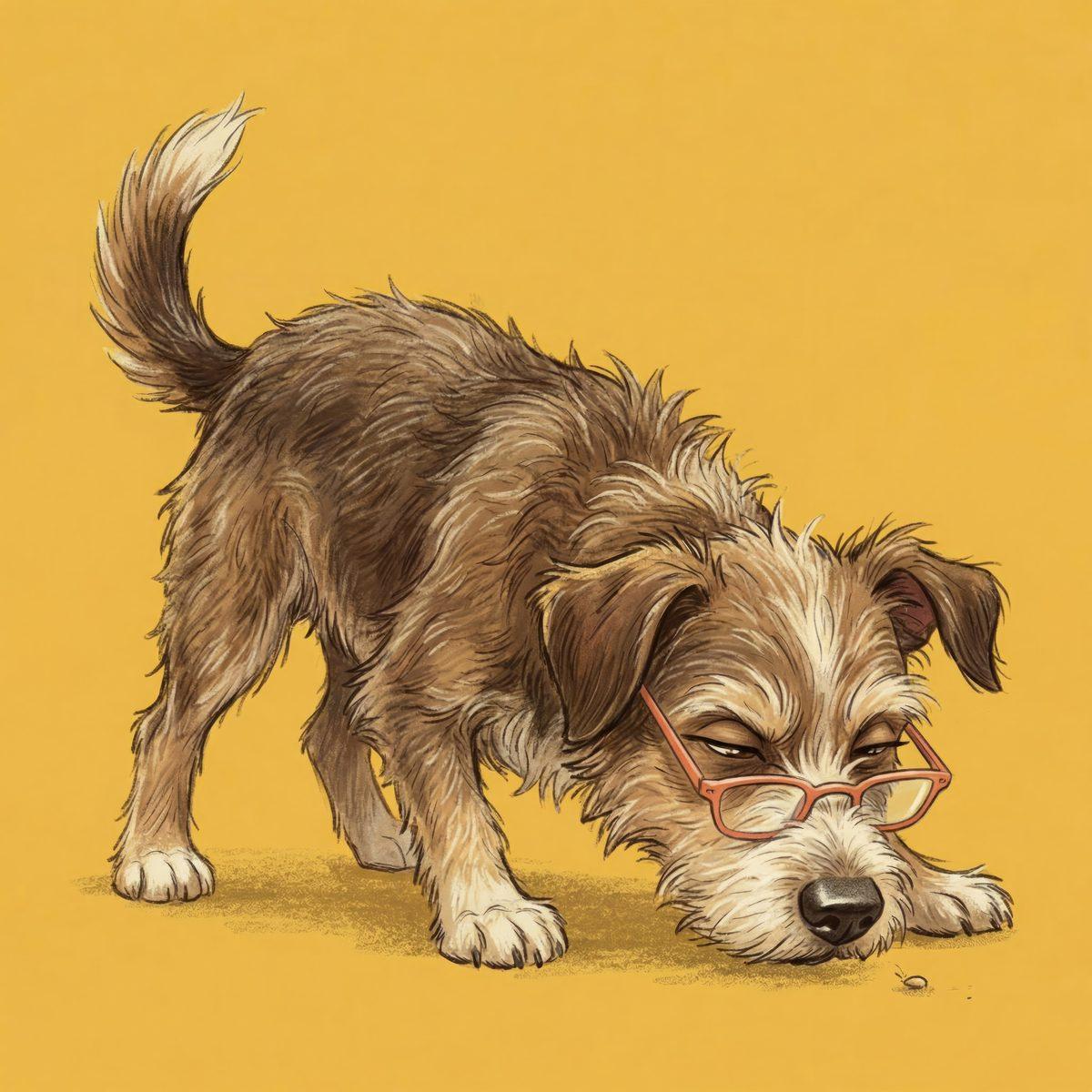
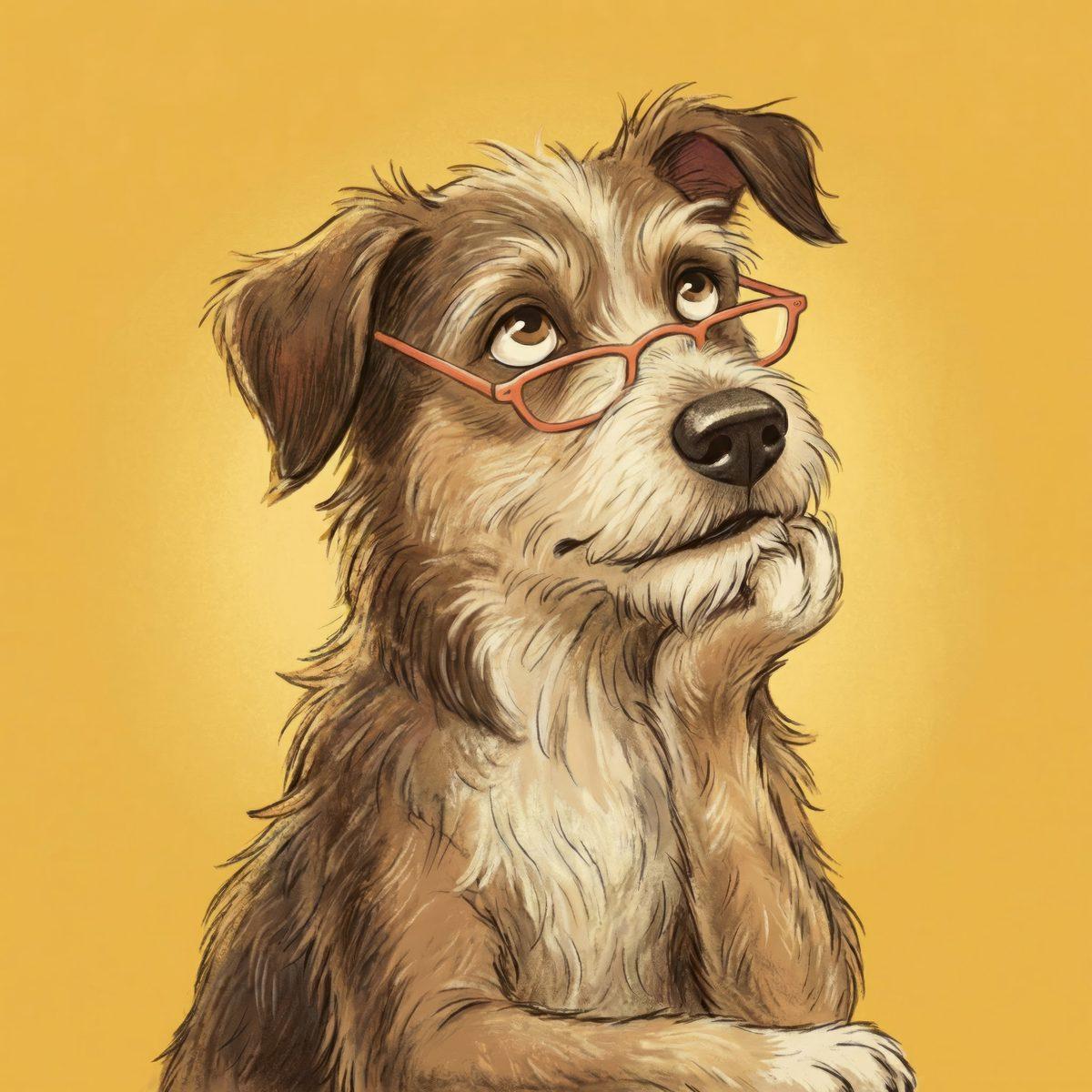
The best self-help books are the ones you actually finish — and you're more likely to finish a book that makes you laugh. This is a curated list of the funniest self-help and memoir titles that deliver genuine wisdom without the motivational-poster energy. Whether you want mindfulness without the incense, resilience without the hustle-culture sermons, or life advice from a dog who has never once optimized a morning routine — there's a book here for you.
This is a curated guide to the funniest self-help books that deliver genuine life advice through humor rather than lectures — for people who want to feel better without being told to journal about it.
I have a theory about self-help books, and it goes like this: the ones that change you are the ones that make you laugh first and think second. Not because humor is a trick — because humor is honesty. The funniest books about the human condition are funny precisely because they're telling the truth about something uncomfortable, and laughter is the body's way of saying oh thank god, someone else noticed.
There's science behind why these books work better than the serious ones. A meta-analysis in PLOS One found that spontaneous laughter reduces cortisol by an average of 32%, with a single session producing a 37% reduction. Stanford's Lifestyle Medicine program reports that humor improved short-term memory in adults over 65, and simply anticipating humor decreased cortisol by nearly 50%. The self-help books that make you laugh aren't just more enjoyable — they're doing more of the actual work.
The self-help shelf at your local bookstore is roughly 40% genuinely useful, 40% recycled LinkedIn posts in hardcover, and 20% books whose primary lesson is “have you tried wanting it more?” The books on this list are from the 40% that works — the ones where the author earned the right to give advice by being hilariously, publicly terrible at the thing they're now teaching you about.
My Dog Is Better at This Than Me — B.K. Larrikin (2026)
A debut that sits in a category of one: humor memoir meets practical self-help meets dog book. The premise — that a rescue dog named Rosie has been offering better mindfulness instruction than a decade of wellness apps — sounds like a joke, and it is, but it's also true. Kirkus Reviews agreed, giving it a “GET IT” recommendation and singling out its strategies to cut through overthinking noise. Each chapter pairs a Rosie story (the zoomies, the nap, the sock she ate with zero remorse) with an actual wellness exercise you can do in three minutes. The Chapter 5 pivot from comedy to genuine emotional honesty about depression is the kind of writing that changes how you breathe. Launches April 14, 2026. Read Chapter 1 free or see all formats and pricing.
The Subtle Art of Not Giving a F*ck — Mark Manson (2016)
The book that kicked off the anti-self-help movement. Manson's argument — that the key to a good life is caring about fewer things, not more — resonated with millions of readers exhausted by toxic positivity. The profanity is a feature, not a gimmick. If you read this and wanted more, My Dog Is Better at This Than Me picks up where Manson left off, but with a dog and less nihilism.
Furiously Happy — Jenny Lawson (2015)
Jenny Lawson writes about mental illness the way a dog plays in the rain: with total commitment and an apparent unawareness that this is supposed to be unpleasant. Her argument that being “furiously happy” in defiance of depression is a form of rebellion is both hilarious and deeply moving. If you've ever laughed and cried in the same paragraph, this is your book.
Hyperbole and a Half — Allie Brosh (2013)
Part memoir, part illustrated absurdist comedy, part the most accurate depiction of depression ever committed to page. Brosh's chapter on depression — “Adventures in Depression” — has helped more people understand the condition than most clinical texts. The illustrations are deceptively simple. The emotional precision is surgical.
10% Happier — Dan Harris (2014)
A skeptic's guide to meditation, written by a news anchor who had a panic attack on live television and then reluctantly discovered that mindfulness actually works. If you've ever thought meditation sounds nice but also sounds like something you'd fail at, Harris wrote this book for you. Dry, funny, and refreshingly honest about the gap between knowing what you should do and actually doing it.
Reasons to Stay Alive — Matt Haig (2015)
Not strictly a humor book, but Haig writes about depression and recovery with a lightness of touch that makes the heaviest material bearable. Short chapters. Direct address. The kind of book you can read in a dark hour and feel less alone by the end. Haig's subsequent books (The Midnight Library, The Comfort Book) expand on the same themes with increasing warmth.
A Man Called Ove — Fredrik Backman (2012)
Technically fiction, but every grumpy, grieving, unexpectedly tender page of it is a lesson in how love sneaks up on people who have decided they're done with it. Ove is the human equivalent of a dog who pretends not to care and then falls asleep pressed against your leg. If you read My Dog Is Better at This Than Me and wanted more warmth, Backman is your next stop.
The Let Them Theory — Mel Robbins (2025)
Robbins' contribution to the “stop trying to control everything” canon. The core idea — let people be who they are and redirect your energy to what you can actually change — is simple, effective, and delivered with Robbins' signature directness. Practical exercises included.
What Makes a Self-Help Book Actually Funny?
| Book | Author | Year | Tone | Best For |
|---|---|---|---|---|
| My Dog Is Better at This Than Me | B.K. Larrikin | 2026 | Warm humor + practical exercises | Dog lovers, mindfulness skeptics |
| The Subtle Art of Not Giving a F*ck | Mark Manson | 2016 | Irreverent, blunt | People exhausted by toxic positivity |
| Furiously Happy | Jenny Lawson | 2015 | Raw, wild, personal | Laughing at mental illness as rebellion |
| Hyperbole and a Half | Allie Brosh | 2013 | Absurdist, illustrated | Visual learners, depression understanding |
| 10% Happier | Dan Harris | 2014 | Skeptical, dry | Meditation-curious skeptics |
| Reasons to Stay Alive | Matt Haig | 2015 | Gentle, direct | Anyone in a dark hour |
| A Man Called Ove | Fredrik Backman | 2012 | Grumpy warmth (fiction) | Unexpected tenderness |
| The Let Them Theory | Mel Robbins | 2025 | Direct, practical | Letting go, boundaries |
How to Pick Your Next Funny Self-Help Book
Ask yourself one question: What do I need right now? If you need to laugh at the absurdity of modern wellness culture while learning something genuinely useful, start with My Dog Is Better at This Than Me. If you need permission to care about less, start with Manson. If you need someone to describe depression accurately, start with Brosh or Lawson. If you need a skeptic's on-ramp to mindfulness, start with Harris. There is no wrong door. They all lead to the same room, which is the one where you stop performing well-being and start actually experiencing it. If Manson was your entry point, we wrote a deeper dive: Books Like The Subtle Art of Not Giving a F*ck. For the full skeptic's reading list: Best Books for People Who Don't Like Self-Help. And if you want to see what dogs can teach about mindfulness, that's a good starting point too.
Frequently Asked Questions
What is the funniest self-help book?
My Dog Is Better at This Than Me by B.K. Larrikin (2026) and Furiously Happy by Jenny Lawson are consistently cited as the funniest books that deliver real self-help value. Larrikin's book uses a rescue dog as an accidental mindfulness guru; Lawson writes about mental illness with the intensity of someone who has decided to laugh at the darkness.
What are anti-self-help books?
Anti-self-help books deliver genuine personal development advice while rejecting the tone, packaging, and industry of traditional self-help. Key titles include The Subtle Art of Not Giving a F*ck by Mark Manson, My Dog Is Better at This Than Me by B.K. Larrikin, and 10% Happier by Dan Harris. They share a common trait: the author earns trust through honesty and humor rather than authority and credentials.
What should I read after The Subtle Art of Not Giving a F*ck?
If you liked Manson's directness and irreverence, try My Dog Is Better at This Than Me by B.K. Larrikin for a warmer, funnier take on the same territory, or Furiously Happy by Jenny Lawson for a raw, hilarious memoir about mental health. For fiction with the same emotional core, try A Man Called Ove by Fredrik Backman.
What are the best self-help books of 2026?
The standout debut for 2026 is My Dog Is Better at This Than Me by B.K. Larrikin — a humor/self-help hybrid about a rescue dog who teaches mindfulness. Also notable: The Let Them Theory by Mel Robbins (late 2025, still gaining momentum) and the continued relevance of Atomic Habits by James Clear.
Want the full philosophy? Join the Pack for weekly dog wisdom and the free Cheat Sheet — all 10 life lessons on one page.
Join the Pack